
Buying a property is a major financial decision. Whether you are purchasing a flat for your family, a residential plot for future construction, an independent floor, a villa or a commercial space, checking the paperwork is just as important as choosing the right location.
If you are researching how to buy property in Mohali, look beyond the asking price. Ownership records, land-use permissions, project approvals, registration expenses and the seller’s authority can all affect your purchase. This guide explains the documents to review, costs to budget for and legal checks to complete before committing your money.

1. Decide Your Property Type and Total Budget
Start by deciding what you want to buy and how much you can comfortably spend. Your property type determines which documents and approvals need to be checked.
- Flats and apartments: Review applicable project registration, sanctioned plans, possession terms, parking and maintenance charges.
- Independent floors and villas: Verify land ownership, building permissions, sanctioned plans and any shared rights.
- Residential plots: Check title, plot boundaries, approved layout, land use, road access and applicable development permissions.
- Commercial shops, offices and SCOs: Confirm permitted commercial use, zoning, building approvals, access and parking arrangements.
Budget for more than the purchase price. Your total cost may include stamp duty, registration fees, legal verification, brokerage if applicable, home-loan processing, applicable taxes, maintenance deposits, utility charges and renovation or furnishing.
Tip: Set a realistic all-in budget before visiting properties. Keep a contingency reserve instead of using every available rupee for the property price.
2. Research Locations Around Mohali
Location affects daily convenience, commute time, property usability and potential resale demand. Compare Mohali, Kharar, New Chandigarh, Airport Road, Landran Road and Sunny Enclave according to your actual needs—not just an advertisement or a promise of future appreciation.
- Airport Road and nearby sectors: Check the exact sector, road access, commute at peak hours and nearby services.
- Sunny Enclave and Kharar: Compare property type, neighbourhood facilities, water supply, drainage, access roads and the legal status of the development.
- New Chandigarh: Review the precise project location, current amenities, development status and approvals from the relevant planning authority.
- Landran Road and surrounding areas: Consider your workplace or education needs, public transport, local facilities and the approvals applicable to the specific colony or project.
Visit the area in person if possible. Check travel times, street lighting, drainage, nearby construction and whether essential services are operational. For investment property, assess realistic rental demand and total acquisition costs; neither appreciation nor rental returns should be treated as guaranteed.
Read our guide to residential areas in Mohali and Kharar for more location-planning context.
3. Documents Required to Buy Property in Mohali
The documents required depend on whether you are buying a resale flat, a new apartment, an independent house, a plot or a commercial property. Ask for the relevant originals or verifiable official records and have an independent property lawyer review them.
| Document or record | Why it matters |
|---|---|
| Sale deed or conveyance deed | Documents the recorded transfer and helps establish ownership history. |
| Previous title documents | Help trace how ownership passed between previous owners. |
| Jamabandi and mutation records, where applicable | Help check revenue records and recorded ownership details for land. |
| Encumbrance and registration searches | Help identify registered transactions or interests affecting the property. |
| Approved layout and building plans | Help verify whether development and construction match applicable approvals. |
| Land-use or Change of Land Use (CLU) permissions, where required | Help establish whether the intended use is permitted. |
| RERA registration and project disclosures, where applicable | Help check a covered project’s registration and disclosed details. |
| Completion or occupancy certificate, where applicable | Helps verify relevant completion or occupation requirements. |
| Property tax, utility and maintenance receipts | Help identify unpaid dues and liabilities. |
| Allotment letter, buyer agreement and possession documents, where applicable | Record the allotment, agreed terms and handover arrangements. |
| Seller identity and authority documents | Help confirm who is selling and whether they are authorised to do so. |
| Bank release documents or NOC, where applicable | Help confirm that a relevant mortgage or lender interest has been addressed. |
You can begin by checking available records through the official Punjab Land Records portal. The SAS Nagar district administration’s property registration page also provides registration information and relevant links.
Online records are a starting point, not a substitute for a full title review. Which documents are necessary depends on the property type, ownership history and transaction.
4. Complete Legal Verification Before Paying
A property may look attractive and have a convincing advertisement, but that does not prove that the title, construction or permissions are in order. Before paying a substantial advance, work through these checks with an independent property lawyer.
- Verify ownership: Match the seller’s identity with the title documents. For inherited property, multiple owners or an authorised representative, check the relevant consent and authority documents.
- Trace the title history: Review previous conveyance deeds and relevant records to assess whether ownership has been transferred properly.
- Check mortgages and disputes: Investigate registered encumbrances, outstanding loans, litigation, claims and other interests that could affect the transaction. A single online search may not reveal every issue.
- Confirm permitted land use: For a plot, verify whether residential or commercial use is authorised, as appropriate, and check the relevant planning authority, approved layout and permissions.
- Check construction approvals: For a flat, villa or independent floor, compare the actual construction with applicable sanctioned plans and permissions. Check completion or occupancy documentation where required.
- Confirm outstanding dues: Request relevant property tax receipts, utility bills and maintenance statements and confirm how outstanding liabilities will be settled.
- Check lender interests: If the property is mortgaged, establish the outstanding loan and the process for obtaining a valid release of the lender’s interest.
- Obtain independent advice: Have a qualified property lawyer review the documents and transaction terms before signing a binding agreement or paying a substantial advance.
Important: An allotment letter, broker’s assurance, possession of the property or RERA registration alone does not guarantee that every title or compliance issue has been resolved.
For an additional checklist focused on builder purchases, read our related guide: important documents to check before booking a builder’s property.
5. Understand Stamp Duty, Registration Charges and Other Costs
Registration expenses can add a substantial amount to your budget. The amount payable in Punjab may depend on the instrument being registered, the applicable valuation, government notifications and the buyer’s circumstances.
- Stamp duty and registration fee: Confirm the current charges and calculation method for your transaction.
- Other government charges: Check whether any additional cess or prescribed fee applies.
- Legal and documentation fees: Budget for title searches, agreement review and independent legal advice.
- Brokerage: Include it if an agent or broker charges a fee.
- Home-loan expenses: Ask the lender about processing, valuation, documentation and applicable mortgage-related charges.
- GST: GST may apply to certain under-construction property purchases; treatment differs by transaction type. Confirm the position for your specific purchase.
- Maintenance and handover: Check any maintenance deposits, society charges, utility costs and handover expenses in the agreement.
- Renovation and furnishing: Include these if the property needs work before occupation.
Start with the official Punjab property registration information and the SAS Nagar registration guidance. Confirm the latest applicable calculation with the relevant registration office before payment.
Do not rely on an old online percentage or a general calculator as your final quotation. Ask which value is used to calculate duty and fees, and whether any concession or special rule applies to your transaction.
6. Check RERA and Project Approvals
If you are considering a new apartment, plotted development or commercial project, check its regulatory status before making a commitment. The Real Estate (Regulation and Development) Act, 2016 sets a regulatory framework for covered projects; registration requirements and exemptions depend on the applicable provisions and facts of the project.
Use the official Punjab RERA website to search for registered projects, promoters, agents and available disclosures. Review:
- Project name, promoter and registration details.
- Registration validity and any available extension or revocation information.
- Disclosed completion timeline and project progress.
- Approved plans and relevant permissions.
- Disclosures about amenities and development obligations.
- Payment schedule, possession terms and delay provisions in the agreement.
- Whether the property being offered matches the registered project and approved plans.
RERA registration is one part of due diligence, not a substitute for verifying title, applicable permissions and the sale agreement. For resale properties, ask your lawyer which approvals and records apply to that specific property.
7. Sign the Agreement and Complete Registration
Once the checks are satisfactory, follow a documented process:
- Agree on the price, payment schedule, included fixtures, possession date and responsibility for outstanding dues.
- Have the agreement to sell or builder-buyer agreement reviewed for cancellation, refund, default and other obligations.
- Arrange financing and complete the lender’s checks if you are using a home loan.
- Confirm the government valuation, stamp duty, registration fee and other applicable charges through the official process.
- Complete the required documentation, identity verification and registration formalities with the relevant authority.
- Collect the registered deed, applicable original documents and written records of payments and handover.
- Follow up on possession, utility transfers, society formalities and mutation or other ownership-record updates, as applicable.
The Punjab registration process information outlines the general workflow, including data entry, verification of parties and witnesses, processing by the Sub-Registrar and issuance of the registered document.
Sale deed vs mutation: What is the difference?
A sale deed is the instrument documenting the transfer of property through the transaction. Mutation refers to updating relevant revenue records to reflect a change in ownership. Mutation is an important administrative step where applicable, but it is not, by itself, a substitute for valid title documents.
Common Mistakes to Avoid When Buying Property in Mohali
- Paying a large advance before verifying the seller and property documents.
- Relying only on photocopies, screenshots or verbal assurances.
- Ignoring approved land use or assuming every plot is suitable for construction.
- Failing to investigate mortgages, disputes or other claims.
- Underestimating registration, legal, maintenance and financing expenses.
- Assuming RERA registration guarantees a clear title or proves every approval is in place.
- Signing an agreement without understanding cancellation, refund and default provisions.
- Buying solely because someone promises fast appreciation or guaranteed rental returns.
- Skipping independent legal advice because a seller or agent says it is unnecessary.
Property Buying Checklist for Mohali Buyers
- Set a realistic total budget, including additional expenses.
- Compare locations and inspect the property in person.
- Verify the seller’s identity and authority to sell.
- Review the title chain and relevant land or registration records.
- Check applicable land-use, layout and building approvals.
- Investigate relevant encumbrances, mortgages and disputes.
- Check RERA registration and project disclosures where applicable.
- Confirm property tax, utility and maintenance dues.
- Have a lawyer review the agreement and payment terms.
- Verify current stamp duty, registration fees and other charges.
- Complete registration and retain the registered deed.
- Arrange possession, utility transfers and applicable mutation updates.
This is a practical starting point. Your lawyer or the relevant authority may recommend additional checks based on the property and transaction.
Frequently Asked Questions
What documents are required to buy property in Mohali?
Common documents include the sale deed, previous title documents, seller identity documents, relevant land or registration records and applicable building or project approvals. Depending on the property, you may also need RERA details, tax receipts, lender release documents or possession records.
How can I verify property ownership in Punjab?
Start with the Punjab Land Records portal to review available Jamabandi, mutation and registered deed records. Ask a qualified property lawyer to verify the title chain and investigate possible encumbrances or disputes.
What are the stamp duty and registration charges in Mohali?
Charges depend on the transaction, applicable government notifications, valuation and other relevant factors. Confirm the current calculation with the relevant registration office or official Punjab registration system before budgeting or paying.
How can I check whether a project is RERA-registered?
Visit the official Punjab RERA website and search for the project. Check its registration details and available disclosures, then verify the title and other applicable approvals separately.
Is a lawyer necessary when buying property?
Independent legal advice is strongly recommended, particularly for plots, resale properties, inherited property, properties with mortgages and transactions involving multiple owners.
What is the difference between a sale deed and mutation?
A sale deed documents the transfer of property. Mutation updates relevant revenue records to reflect the ownership change. Mutation does not, by itself, establish or replace valid legal title.
What should I check before buying a residential plot?
Verify the title, plot dimensions and boundaries, land use, approved layout, applicable development permissions, road access, encumbrances and outstanding dues. Confirm that the plot is suitable for your intended construction.
What additional costs should I budget for when buying a flat?
Budget for stamp duty, registration fees, applicable taxes, legal fees, loan processing, brokerage if applicable, maintenance deposits, utility charges and any interior work. Which charges apply depends on the property and transaction.
Can I buy property in Mohali with a home loan?
Yes, subject to lender eligibility and the property’s legal and technical assessment. A lender’s approval should not replace your own independent legal due diligence.
How can Aqlet Realty help me find a suitable property?
Aqlet Realty can help you explore residential and commercial property options in Mohali and nearby locations. Share your preferred location, budget, property type and purchase timeline to narrow down suitable options. Verify the documents and approvals for the specific property before purchasing.
Planning to Buy Property in Mohali?
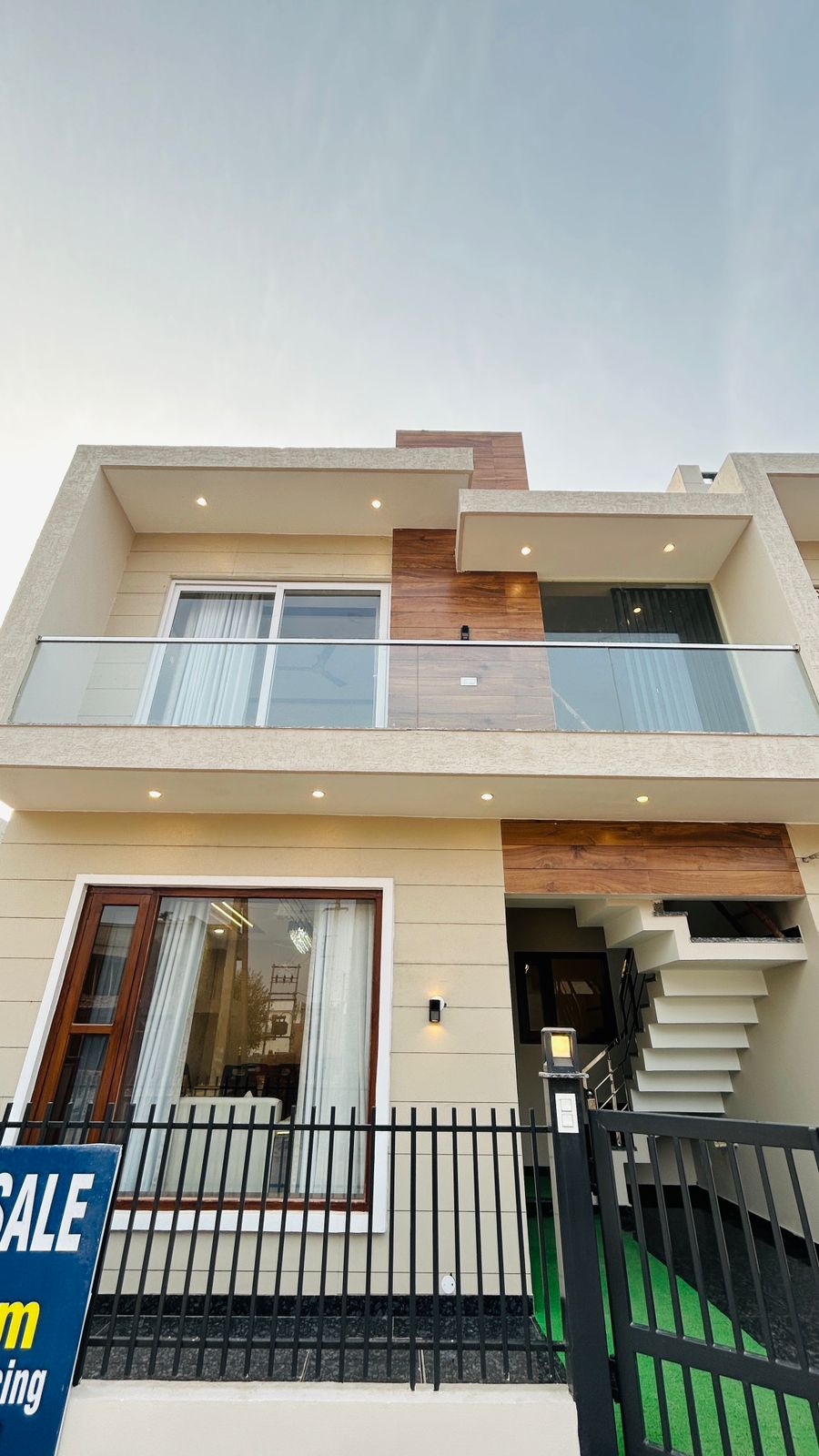
Buying property is not just about finding an attractive price or location. It also means verifying ownership, understanding the full cost, checking applicable approvals and completing registration correctly.
If you are exploring a flat, independent floor, residential plot, villa or commercial property, visit Aqlet Realty to explore available options. You can also browse residential plots, apartments and floors, villas or commercial properties according to your requirements.
Speak with Aqlet Realty about your property requirements: Contact us to discuss your preferred location, budget and property type.
Disclaimer: This article is for general informational purposes and is not legal or financial advice. Applicable requirements and government charges may change. Verify current rules with the relevant authority and obtain independent professional advice before purchasing.
[…] For other property types, explore Aqlet Realty’s commercial property options, plots and our guide to buying property in Mohali. […]